Each year, the University City District compiles, in a glossy report, the vital signs for the eastern half of West Philly. For a while now, the trend lines have been strong. But this year, the numbers are truly staggering.
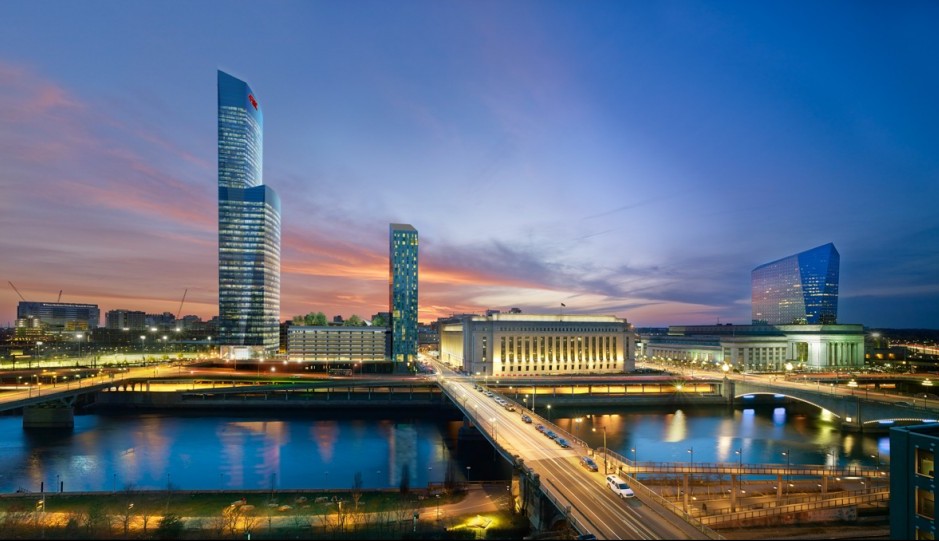
Total University City development activity — which includes projects finished in recent years and those now underway — totals a staggering $4.6 billion. Context? In the whole of Center City, there’s an estimated $7 billion in development now underway (and yes, that includes the new Comcast tower).
Not included in that University City development total are an array of other massive planned projects that look to be very viable indeed, from the $1 billion uCity Square to Drexel’s planned Innovation Neighborhood, which could cost $2 billion (and that’s just phase one).
West Philly’s office market is sizzling. The vacancy rate is two percent, compared to about 12 percent in the city overall (and 16.5 percent in the ‘burbs). And that’s with landlords charging a third more per square foot for rent than are Center City building owners.
There are now more than 75,000 jobs within UCD’s boundaries, which stretch east to west from the river to 50th Street, and north to south from Spring Garden (ish) to Woodland Avenue. That’s a lot of jobs. Context: the businesses of core Center City employ about 230,000, and the job total at the Navy Yard is about 12,000.
Many of these jobs are good jobs. UCD’s research shows that the number of middle and high-wage positions — those are defined as paying $40,000 or more a year — surged by 79 percent between 2008 and 2013. Better than 65 percent of all jobs in this chunk of West Philly pay more than $40k. Elsewhere in the city, the figure is less than 50 percent. That kind of solid compensation is a big deal in a city like Philadelphia, where the wage scale is low across the board, compared to many other cities.
There’s more.
University City home values have spiked 22 percent in the last year, according to Drexel researcher Kevin Gillen. The only other neighborhood that comes close in home value appreciation this past year is the rest of West Philly, at 21 percent.
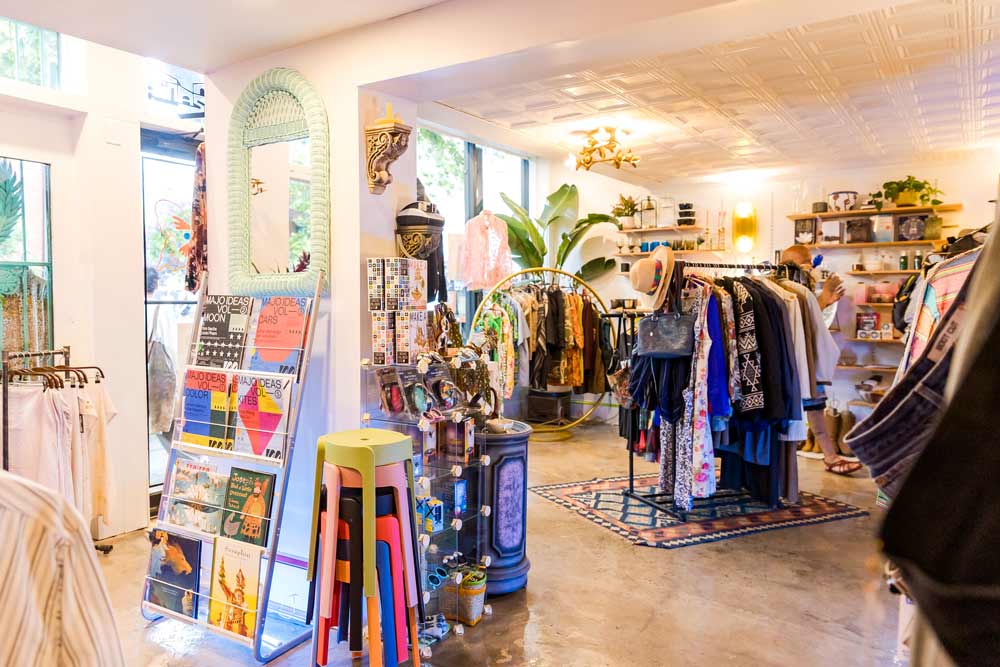
The retail sector — never West Philly’s strong suit – is showing signs of life. UCD reports that 79,000 square feet of new retail space was added in 2015. And since 2013, the total retail inventory is up 7 percent.
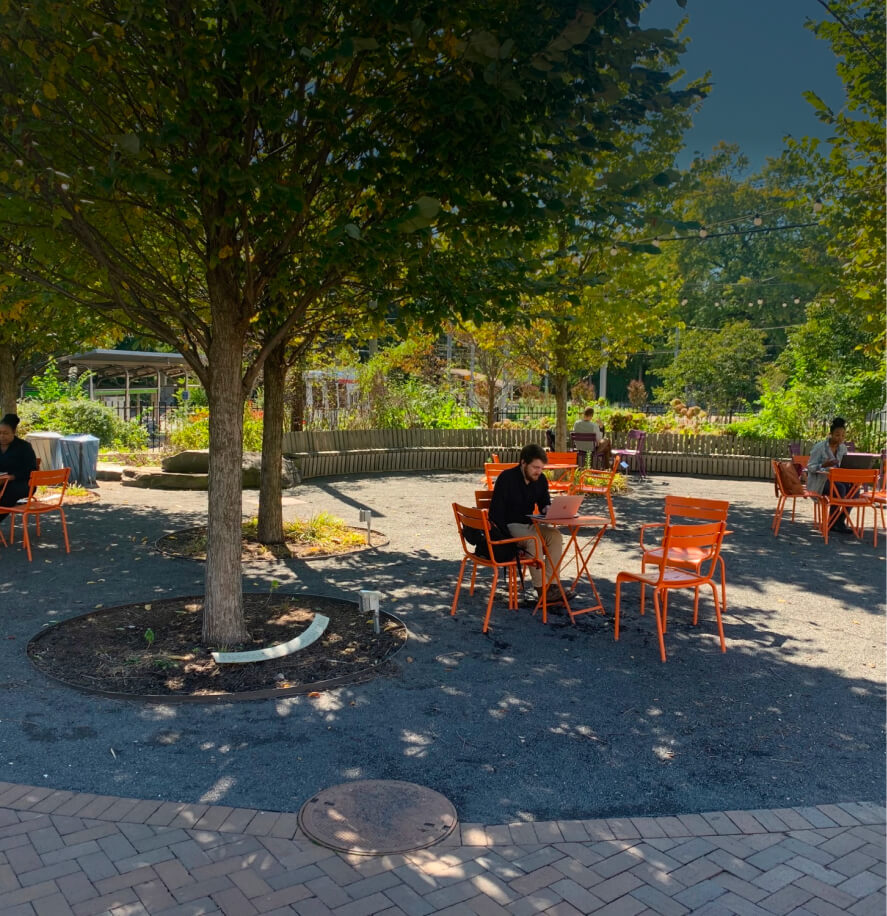
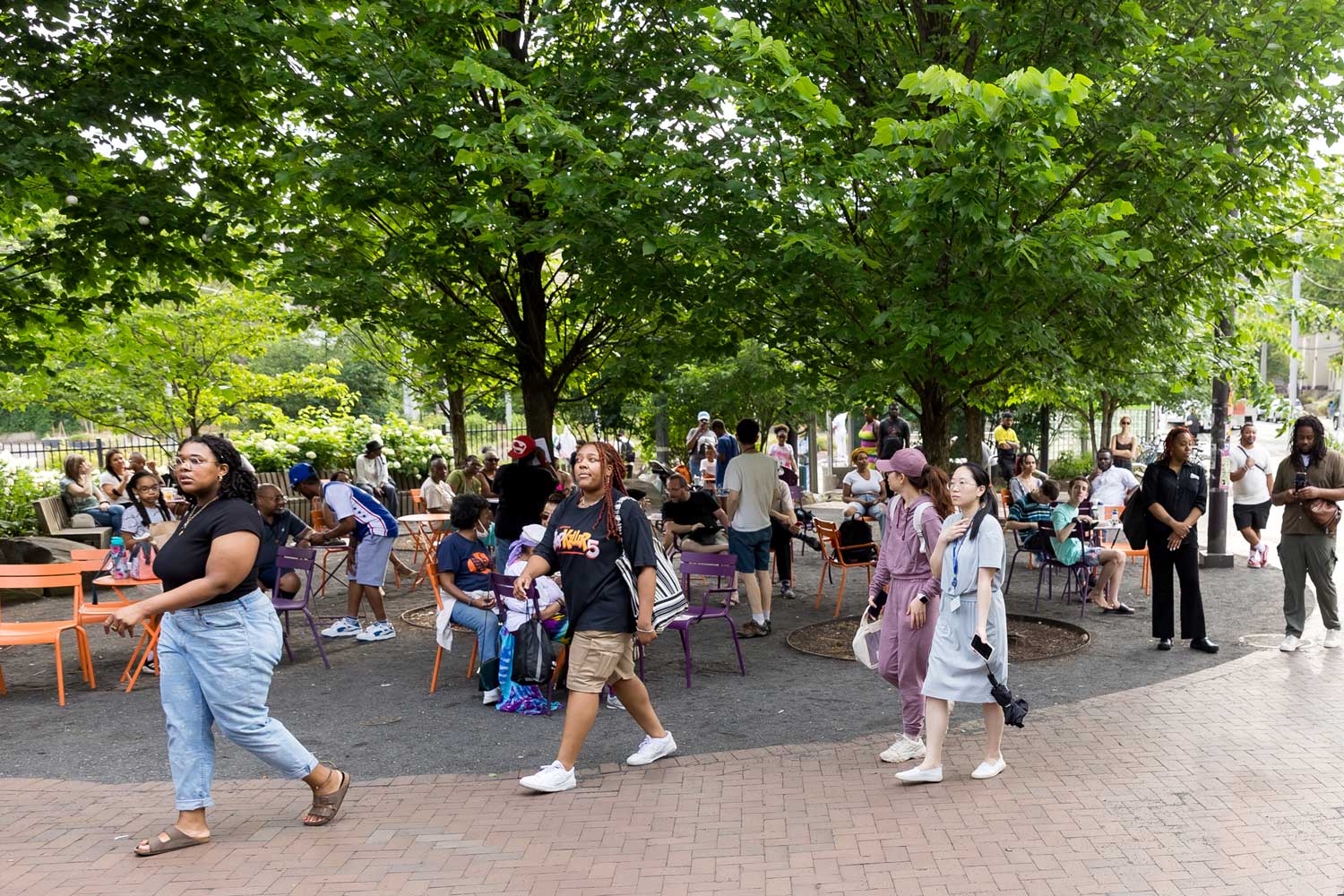
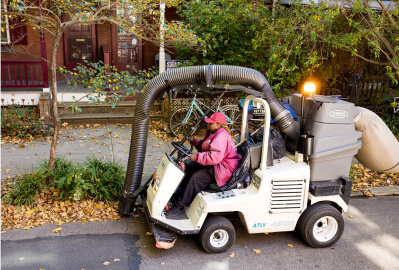
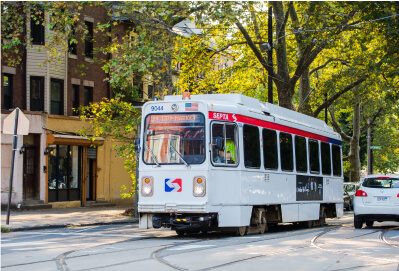
The core University City area, and some adjacent neighborhoods, are starting to get some of those sparkling new public space amenities that, until recently, have mostly been a Center City phenomenon. There’s the new Cira Green from Brandywine, the forthcoming redesign of the 40th Street trolley portal, the Porch at 30th Street Station, Woodland Green, streetscape improvements at 48th and Baltimore, and so on. UCD deserves a lot of credit in this department.
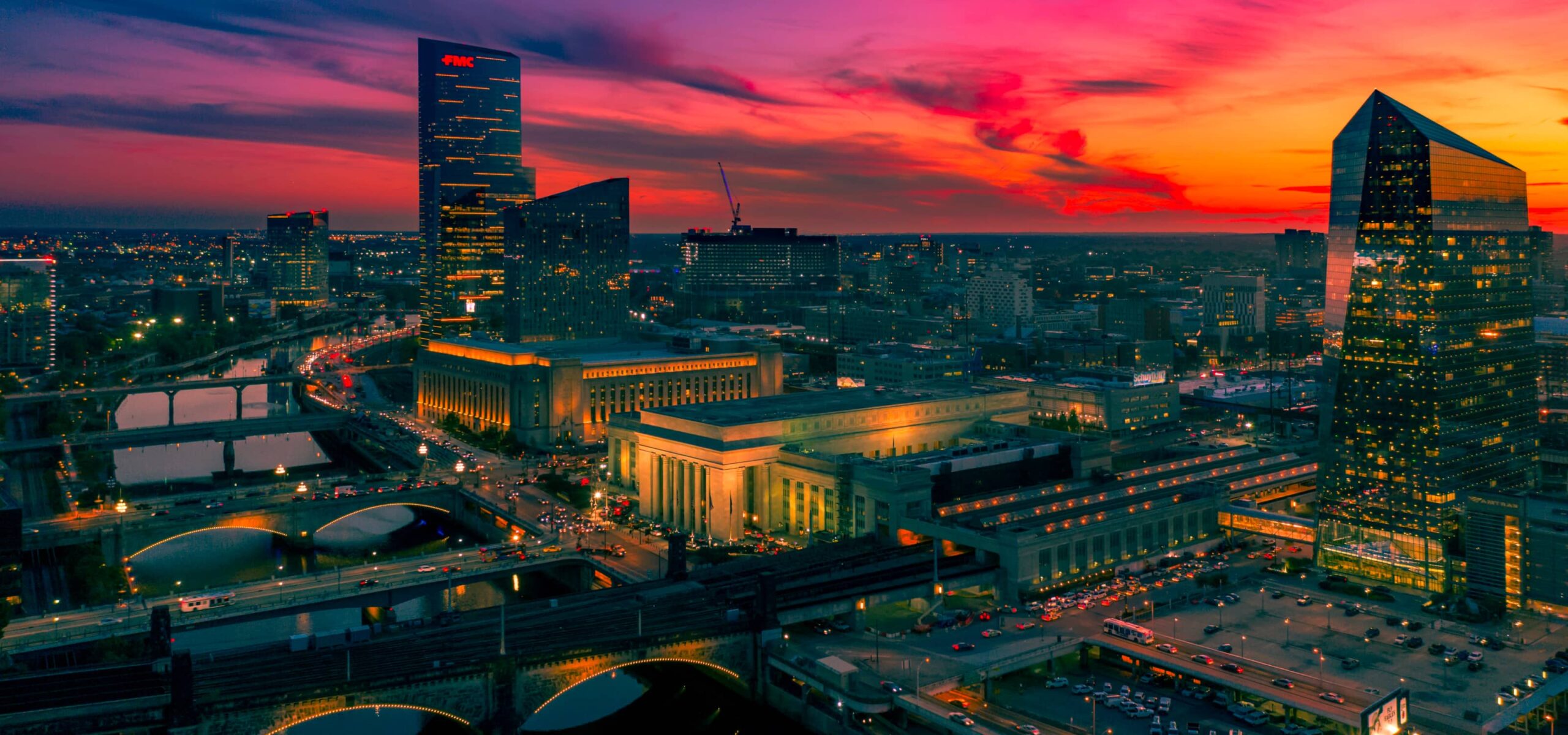
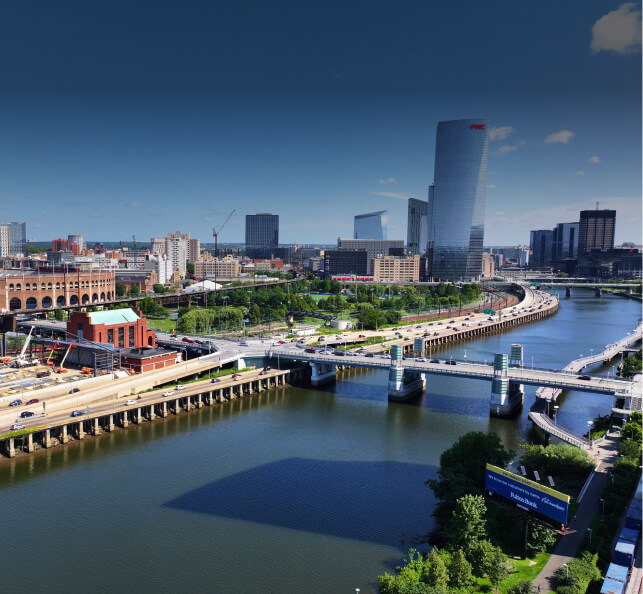
Put it all together, and it’s clear that Philadelphia now has two downtowns. That’s not an exaggeration. University City has more salaried jobs than does downtown St. Louis.
But University City is a very atypical downtown. It’s dominated by a handful of mega-institutions (Penn, Drexel and CHOP, but also the IRS and the Veterans Administration) that together account for more than 50,000 of those 75,000 jobs.
Except for the IRS, those institutions aren’t new to West Philly. So what explains the boom? For one, the institutions themselves are booming, particularly CHOP and Penn Medicine. That in turn has generated a boom of private sector interest in University City. Private developers and entrepreneurs are, increasingly, seeing opportunity in a section of the city that not long ago was seen as an institutional zone. That’s a relatively new phenomenon (and a welcome one for City Hall and the School District, as non-profits like Penn don’t pay property taxes).
“I think it’s a quintessential virtuous cycle. Growth begets more growth. Private developers are seeing more and more opportunities,” said Matt Bergheiser, Executive Director of the University City District.
The obvious comparison is to Cambridge, where the presence of Harvard and (especially) MIT — which has long emphasized tech transfer and business incubation — lured firm after firm to set up shop in the town.
That hasn’t happened yet on nearly the same scale in University City. But that’s the goal, and there’s a lot of concerted institutional effort underway to make it happen; from the Science Center, to Pennovation Works (on the other side of the Schuylkill) to Drexel’s planned Innovation Neighborhood.
If talk of business incubation makes your eyes roll in a I’ve-heard-this-before-way, I get it. But looking at the University City skyline this past year, it’s hard to be bearish.
Where does all this leave the rest of West Philadelphia?
“Penntrification,” as it is still called, is a nearly 70-year-old phenomenon with a really wretched history, particularly in earlier years. The institutions operate much more carefully now, and are far more invested in the neighborhoods that surround them — but tensions remain.
For all the big money being spent within University City, West Philadelphia as a whole remains more impoverished than the city overall. Unemployment in West Philly is higher than in the rest of the city as well.
That gap — between the boom in University City, and poverty rates and job prospects in most of West Philadelphia — is deeply worrisome. UCD leaders say they understand this, and they’ve got what looks like a successful training program that matches West Philly residents with actual job openings in University City’s anchor institutions. We’ll take a closer look at that program, and the broader disparity challenges in West Philly, soon.